

“A great photo needs perfect light; a perfect photo needs a light meter”. That was the mantra eons ago, long before digital, when my world was monochrome because it was the only medium I could afford to use, the only one where ‘mistakes’ could be made and become an opportunity to learn; specifically about light and the difference between what we see and how the ‘film’ reacts and records it.
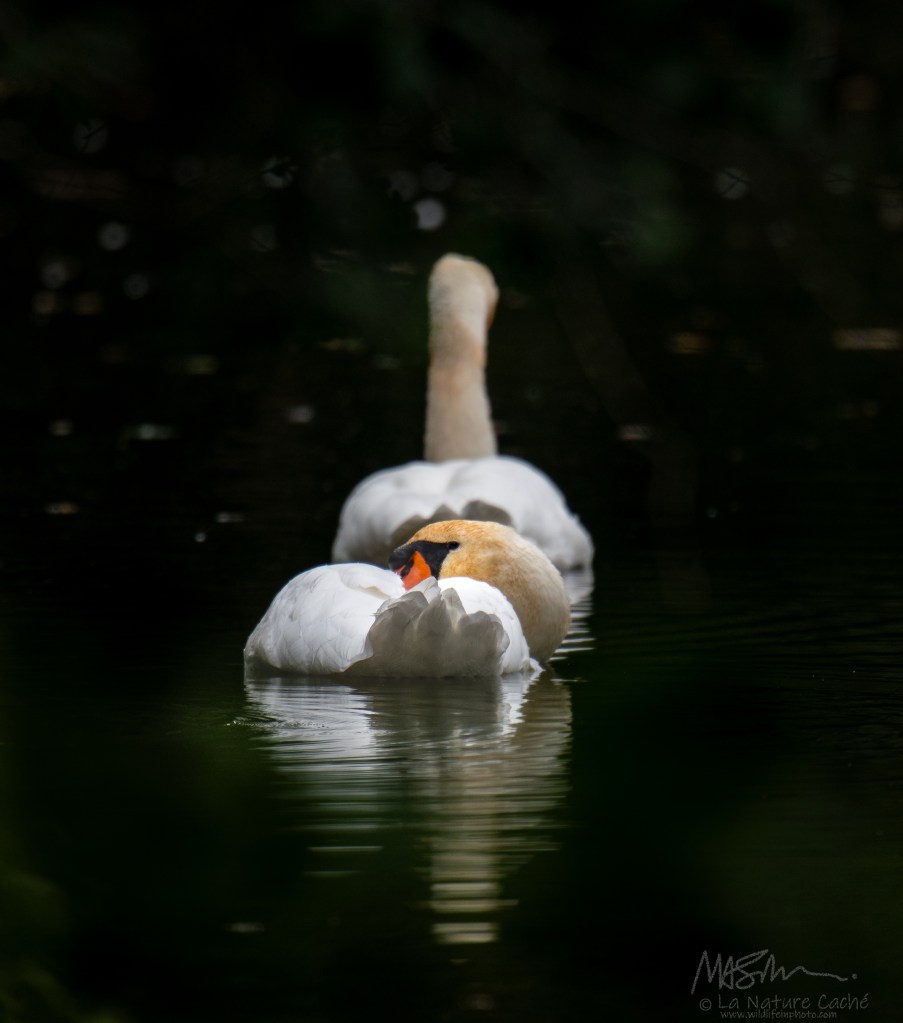
This series of photos were taken using my Nikon D500, using pretty much every bell and whistle in its metering and exposure package. Why? Because this is a wildlife shot that back in that eonic-period was a massive challenge, usually only conquered in the darkroom: long telephoto lens capturing a highly reflective, pure white subject on a reflective surface with strong shadows. A metering nightmare!
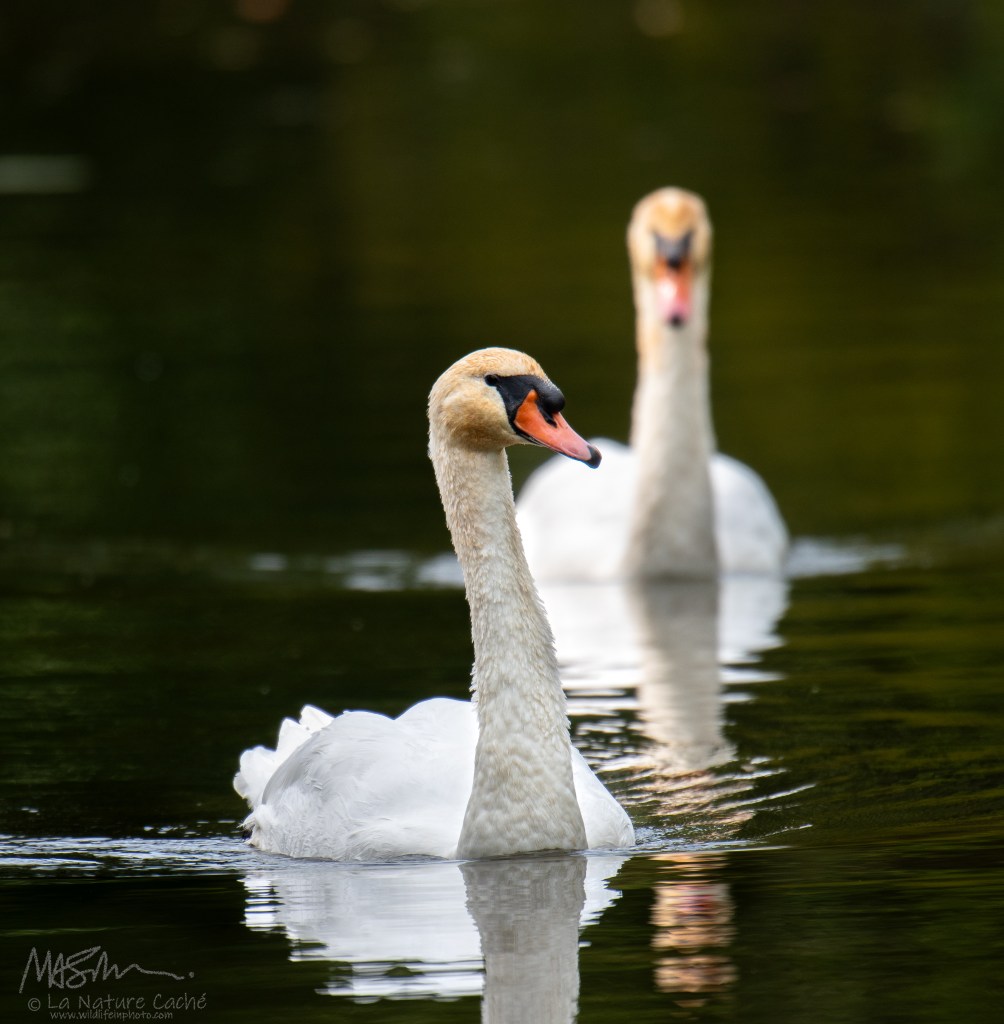
In-camera light metering is pretty amazing with current DSLR’s and even more so in mirrorless where top-end models using AI can truly do the analysis. But until they can read your mind, they won’t automatically produce these compositions, so thankfully human intervention will still produce the best shots.
This sequence makes use of spot metering with highlight adaptation; in-camera settings. Some were only possible by adding AE lock to recompose the scene for the correct effect, and correct exposure.
Exposure compensation wasn’t used. It is a broad brush technique which won’t always cope with challenging scenes: in these situations it’s a great technique to avoid losing digital information through overblown highlights or deep under-exposed areas, thus allowing the image to be recovered in post processing software.
However, to provide the opportunity to get an image straoff the camera with the entire scene balanced, then learning to incorporate Multi-Exposure Variable Compensation, an image stacking mode in most moderate DSLR’s under various pseudonym, will give the image an edge that would otherwise only be possible in post processing.
Of course, you could just fire off a thousand frames and chuck them all through Lightroom,; one might be perfect. But that’s not photography, is it?

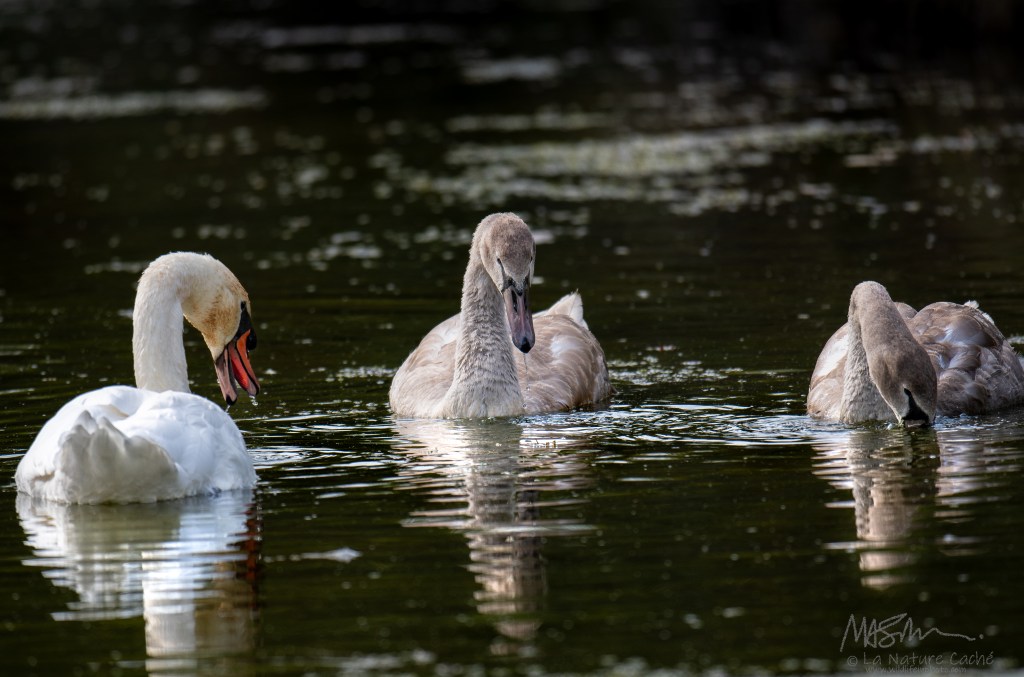
When I get a rainy I’ll post a Part 2 where I’ll demonstrate the advantages for IQ of mixing these techniques.

Capture using spot metered ( highlight) and Multi- Exposure: 5 frames biased to DARKEN. No post processing beyond artistic crop.
 WILDLIFE IN PHOTO