
If you want to receive my blog posts by email, just click on SUBSCRIBE at the bottom of the page.
I was lucky enough to recently spend a few days on Anglesey. It’s an abundant microcosm of environments which, in this small island, encapsulates most of the habitats that make up the rest of the UK. As such, and being situated ideally for bird migration routes, it’s abundance of birdlife is it’s jewel in the crown.
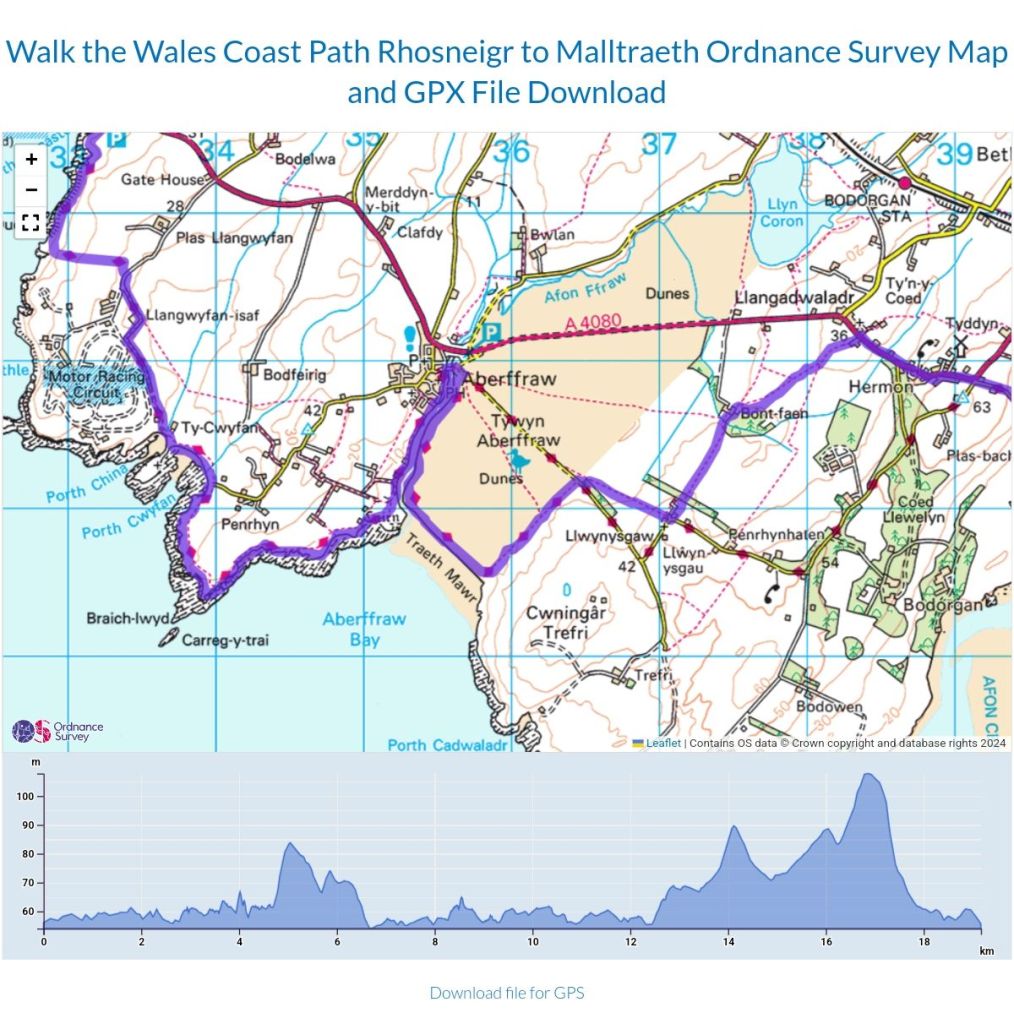
Visiting late summer, both the human tourist flocks and breeding population of birds have mostly left. But this leaves tranquil areas, like its any estuaries, where native and early winter arrivals can be seen largely undisturbed.
This is a brief snapshot of it’s most beautiful estuaries, that of Aberffraw Bay. Fed by the River Ffraw, it’s small Estuary is flanked to the east by unspoiled sand dunes and to the west by the rocky headlands and coves of Braich-lwyd.
A chance fly-over of residents of Lyn Coron
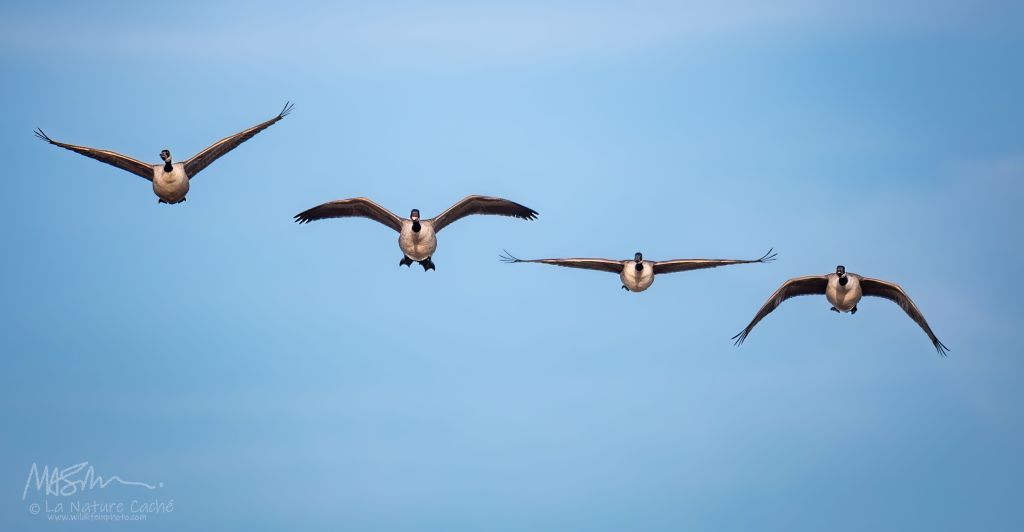

CANADA GEESE – heading into the bay from Lyn Coron to the north. Flying south into the sun, a perfect photographic combination.
Anglesey’s famous residents

STARLINGS TAKE FLIGHT – Congregating en-mass in the Estuary, the island is renowned as one of the most spectacular places to see vast murmurations. Here, they take flight, disturbed by a dog-walker.
The Waders
The arrival of low tide provided great opportunity to watch the many waders searching for food. Just a few hours, and the obvious differences in preferred food as wel as how they catch are clearly apparent.

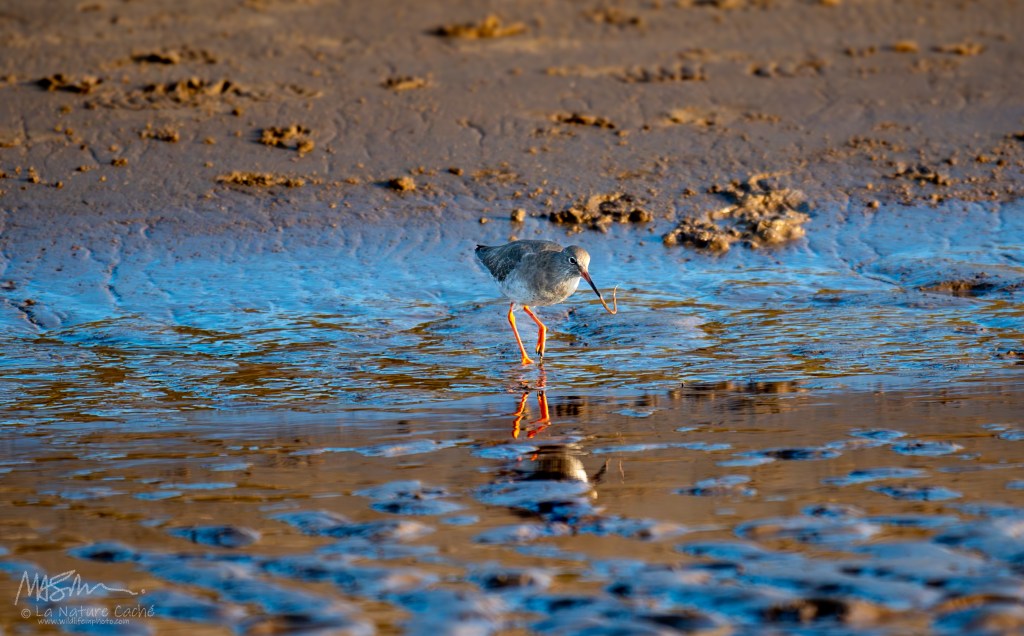
REDSHANK ON THE FRINGES – marching ( that’s definitely their gait when searching at low water) along the fringes of the river at low tide, picking mostly worms from the waterlogged areas of sand.

They were quite tolerant of me walking along the coastal path, well used to people strolling above the high waterline. But step off onto the fringes of the high tide zone they take flight, just a short, low hop to keep a comfort zone.


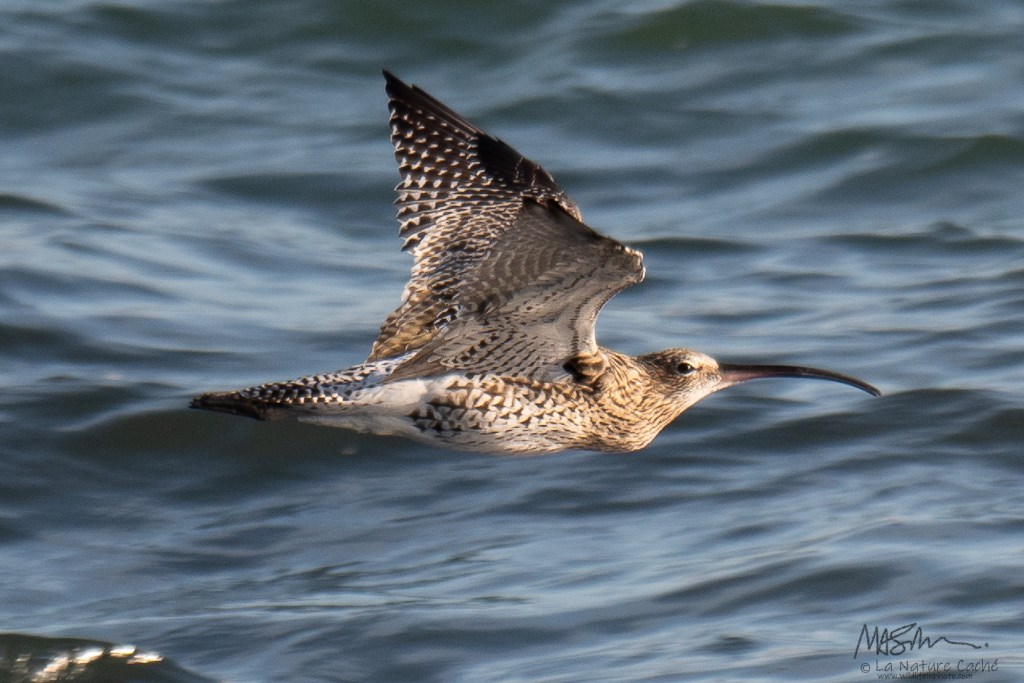
THE EURASIAN CURLEW – One of my favourite waders, fascinating to watch feeding: it’s rather sartorial strut, then stopping to dig around, almost ploughing the sand.


They were also numerous, flying fast along the the rocks at low tide where they meet the sand.
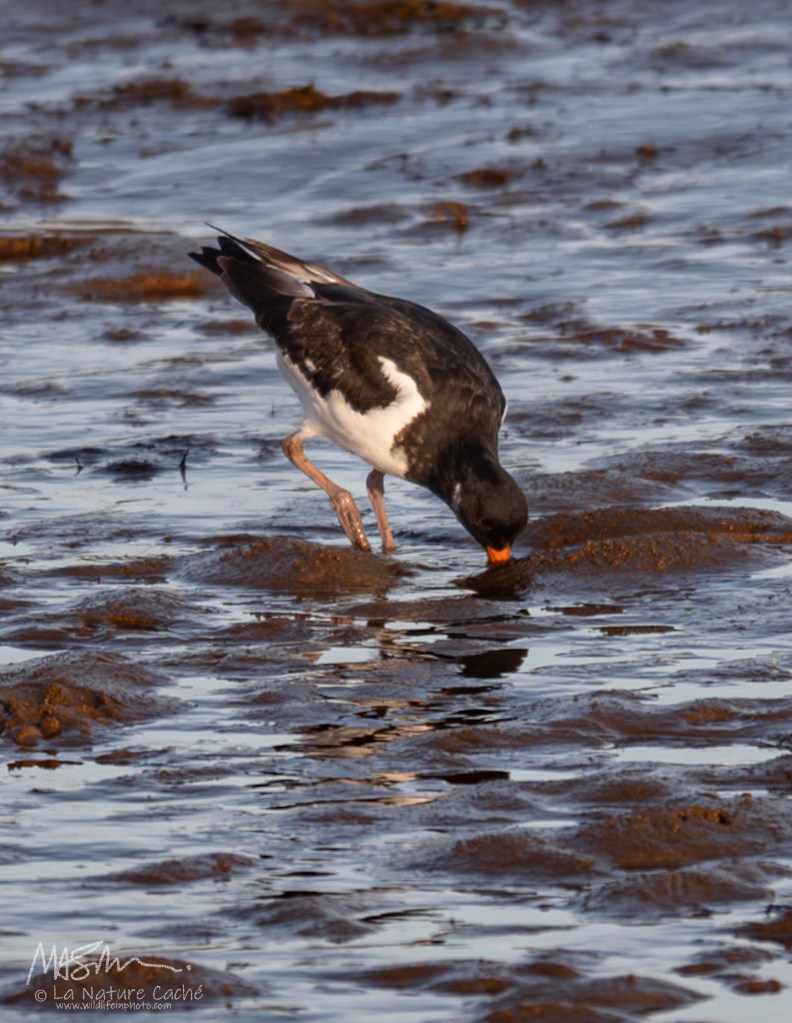
OYSTERCATCHERS
Deep probing feeders they are very adept with cockles but these, feeding in the Estuary sand, were almost exclusively coming up with small clams.

Lapwings
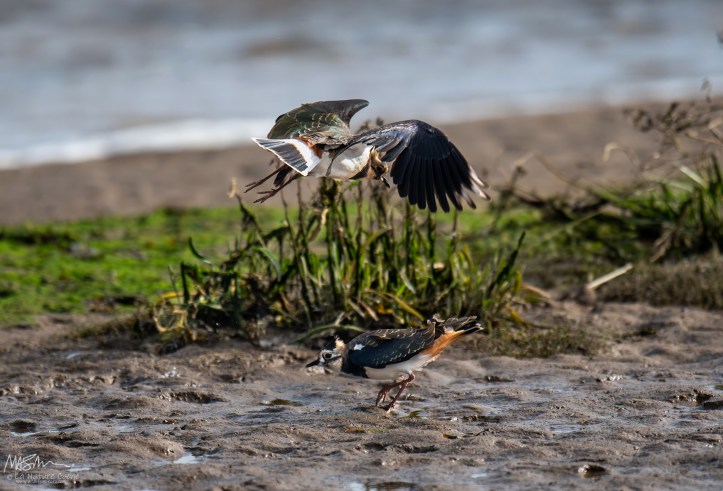
LAPWING IN THE WETLANDS – Once so numerous where I lived in The Cotswolds, I see so few now in my area of France that it was wonderful to see them in the wetlands. Their plumage every bit as beautiful as our most spectacular wildfowl or even the kingfishers when captured in good light. Here, in the last hours of late-summer sun they really glow.


Constantly arguing if another invaded it’s space, and very intolerant of other species getting near; starlings and magpies in particular. Great for a photographer though🤣

Acrobatic flyers …….

My second day at Aberffraw, spent above the rocky cliffs at low tide, will be the subject of my next post.
 WILDLIFE IN PHOTO